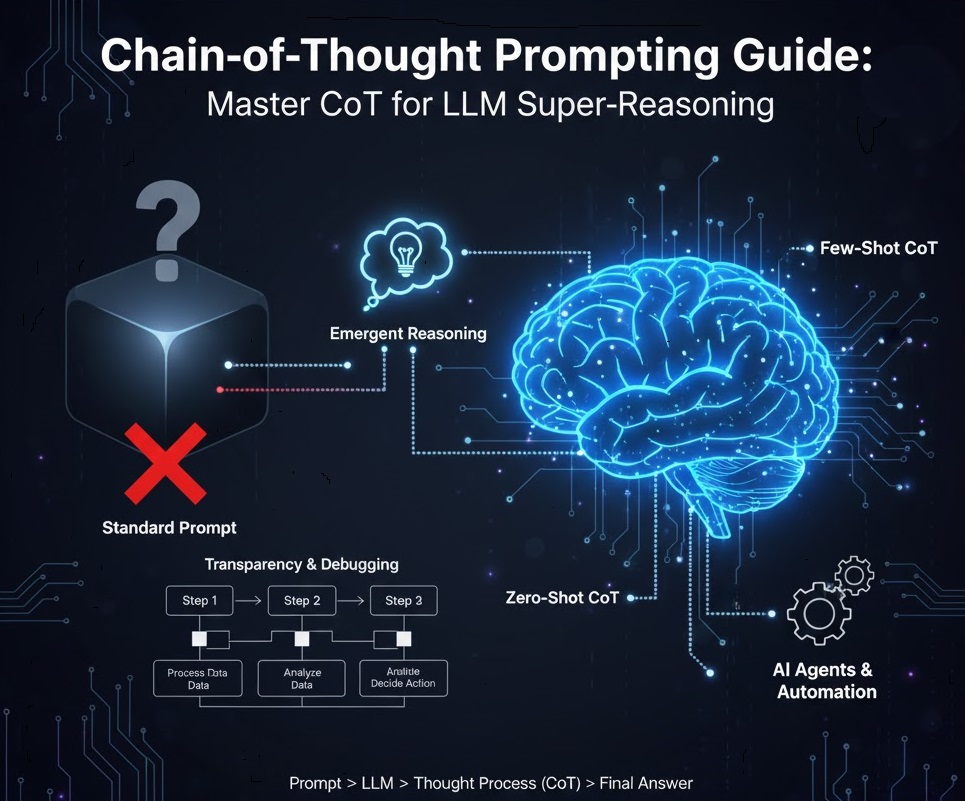
Large Language Models (LLMs) have revolutionized text generation, but have you noticed them stumble on complex logic or multi-step problems? It’s like asking a brilliant student for an answer without showing their work. They might get it right, but you don’t know how, and they’re more prone to errors when the problem gets tough. This is the LLM’s reasoning dilemma. It can stuck on a specific problem anytime. In today’s AI revolutionary era, Prompt Engineering has become a most in demand skill for developers and business owners. LLM’s is totally dependent on the prompt you are giving to it. In...
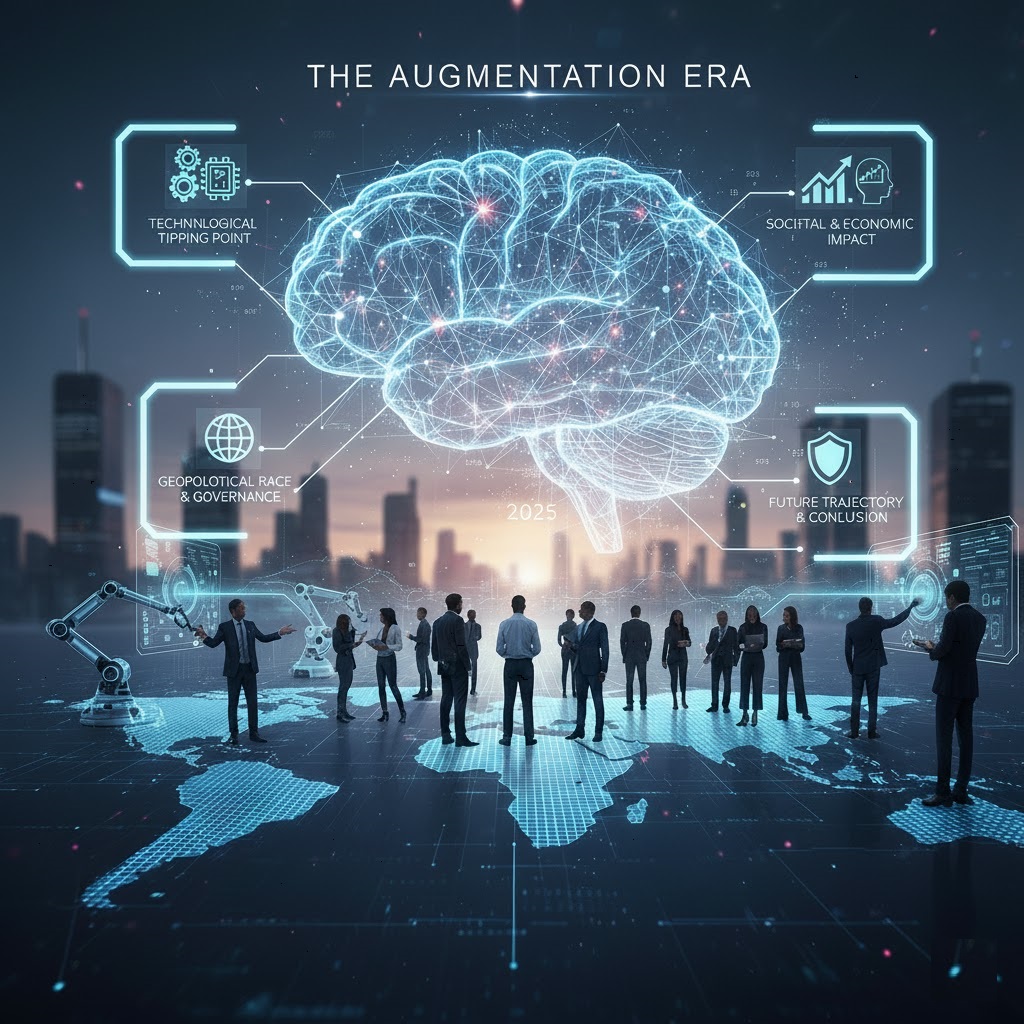
The Augmentation Era: Analyzing the Global AI Revolution (2024–2025) The current surge in Artificial Intelligence (AI) is not merely an incremental technological upgrade; it represents a paradigm shift comparable in scope to the invention of the printing press or the rise of the internet. Defined by the rapid, commercial-scale deployment of generative and multimodal models, the Generative AI impact of the 2024–2025 revolution is already reshaping global economic structures, demanding urgent governance, and fundamentally redefining the nature of human work and creativity. 1. The Technological Tipping Point The current generation of AI is fundamentally different from previous waves; such as...
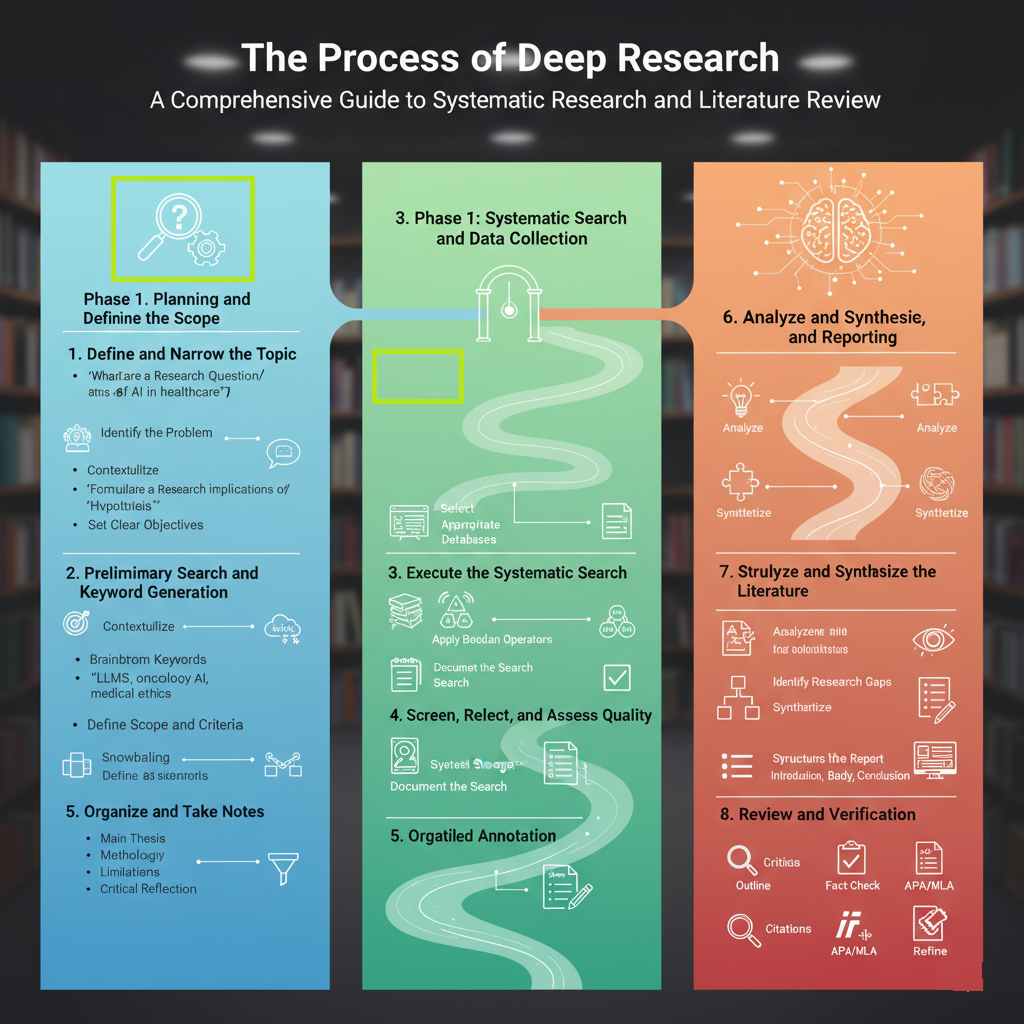
The process of conducting deep research, often referred to as systematic research or a Comprehensive Literature Review (CLR), involves a structured, multi-step methodology to go beyond surface-level information and achieve a profound, synthesized understanding of a topic. Deep research process focuses on critically evaluating a large volume of high-quality sources, identifying patterns, uncovering gaps in current knowledge, and generating new insights. Here is a comprehensive, step-by-step guide on how to conduct a deep research study: Phase 1: Planning and Defining the Scope This phase establishes the foundation, scope, and objectives of the research. 1. Define and Narrow the Topic: 2....

Recent Comments